Showing posts with label pets. Show all posts

Friday, August 22, 2014

Stag Fiesta!

(NFGB) has launched Fiestag 2014 in SMX Convention Center at the SM Mall of Asia last August 20,21 and 22. The 3-day event had a Bakbakan stag auction, raffles, seminars, bitawang bayan and many more. There  also  exhibit of gamecocks, gamefowl products, accessories and equipments (like incubators, feed and veterinary products). This was sponsored by the biggest companies in the gamefowl industry like Thunderbird, B-Meg Integra, Sagupaan, Supremo, Purina, Lakpue and Excellence Poultry and Livestock Specialist. There were also seminars on Gamefowl Breeding (courtesy of Red Game Farm).  It was also a chance for sabong aficionados to see their favorite breeders who are a member of NFGB like Osang Dela Cruz, one of top lady cockers in the Philippines and Baham Mitra. Wow! You can even buy chicken from them.  


As part of tradition and Filipino culture, cock fighting has become a billion peso industry – and it’s not just about gambling anymore – it is now about breeding and avian heath. That’s why Fiestag 2014 have focused more into that aspect, bringing to the Filipino cock fighters the newest and most advance equipment and medicines to boost the industry. The lecture/seminar also focused on breeding. It is to make better stocks for better champions.

Friday, August 8, 2014

Fipronil

We know that Frontline is very expensive. A small vial will cost you, what? P600.00 or more. Now what if you got at least 6 dogs? That's one small vial per mutt eh?

Good thing Mr. Rey Ong told me about buying fipronil directly in an agricultural supply. Just use 80% of oil (whether it's cooking oil, or even baby oil) and 20% fipronil mixture. Now a small bottle of fipronil will cost you P600.00+ but that's ok since a bottle is bigger than a vial.

So I just used it this morning, and VIOLA! No more tick problem.

Monday, July 21, 2014

Common Fish Disease

Bacteriosis Pinnerum (Fin Rot)


Symptoms:

Fin rot begins with a slight discoloration of the edges of the fins, making an early detection difficult. As the disease progresses, the fins begin to fray. The deterioration continues, resulting in the only remains of the fins, once the disease is in its terminal stage.

Cause:

Several bacteria cause Fin Rot, namely "Pseudomonas Flourescens", "Aeromonas Sp". and "Haemophilus Piscium".

Treatment:

Fin Rot is considered difficult to treat. It is recommended to consult with your local fish store about the correct diagnosis as well as a possible treatment.


---------------------------------------------------------------

Ich AKA White Spot


Ick is a protozoan parasite (Ichthyophthirius multifiliis), and is extremely contagious. The name translates to "fish louse with many children", a title that fits well, as each parasite may produce over a thousand offspring. Although the disease is the equivalent of a skin infection, it can easily be fatal to a fish stressed by poor diet or habitat.


Symptoms:
1. Small white spots resembling sand
2. Fish scratch against rocks and gravel
3. In advanced stages fish become lethargic
4. Redness or bloody streaks in advanced stages

Infected fish are covered to various degrees with small white spots. Severe infestations are easy to spot, but small occurrences often go unnoticed. However, ich won't remain unnoticed for long. After approximately one week of parasitism, mature trophozoites leave their host, settle to a substrate and secrete a cyst. The encysted cell, called a tomont, undergoes rapid division over approximately twenty-four hours to produce 600-1000 daughter cells called tomites. Once these reach maturity, they exit the cyst and develop into a theront stage, which is highly mobile. Theronts then infect new fish, digging their way into exposed parts, under the scales, or more commonly into its gill plate. The entire life-cycle takes about seven to ten days to complete.

---------------------------------------------------------

Dropsy


Dropsy is actually a "symptom" and not a disease in itself. This disease is characterized by a swollen or hollow abdomen (Ascites). A concentration of fluid in the body tissues and cavities causes the fish's abdomen to become swollen and appear bloated. Swollen areas may exhibit a 'pine-cone' appearance caused by the fish scales sticking out. When a fish has an advanced case of dropsy, its scales will appear to stick off of their body like an opened up pine cones, as shown above.


CAUSES:
It is actually undetermined as to what brings on this illness. Once thought to strictly be the result of an internal bacterial infection, this is not necessarily the case. It could be the result of a number of things ranging from an internal bacterial, viral, or fungal infection, internal parasites, or even cancerous tumors.

-------------------------------------------------

Hole in the head disease (HITH) also known as Freshwater Head and Lateral Line Erosion (FHLLE).


Oscars, as well as other large cichlids, are commonly afflicted by hole in the head disease.

Symptoms: The symptoms are easily recognizable. First, the fish will develop small, gray, pinhole abrasions around the eyes and head. These lesions will grow and if not treated, will eventually kill the fish.

It is believed that Hexamita, a protozoa, causes this disease. However, individual studies have shown that improvement in nutrition will help symptoms most effectively. Malnutrition seems to be the leading cause and the Hexamita, a secondary infection. Some aquarists blame poor water conditions as the cause of most fish problems. This fact emphasizes the importance of a good filter system, regular water changes and tank maintenance.


---------------------------------------

Velvet disease (AKA Rust, Gold Dust Disease, Oödinium)


This is caused by Oödinium pilularis, a parasitic skin flagellate.

In freshwater fish Velvet is caused by either Oödinium pilularis or Oödinium limneticum. In marine fish Oödinium ocellatum causes the dreaded Coral Fish disease. All three species have symptoms and life cycles similar to the well known parasite, Ich.

The parasite is single-celled and enters the slime coating of a host fish in its motile juvenile stage where it matures. The mature parasites break through the slime layer and drop to the bottom of the aquarium and attach themselves to solid surfaces. Here they form a cyst, which develops into numerous new juvenile individuals known as tomites.

Velvet is highly contagious and can prove fatal to fish. It is therefore important to treat as early as possible. The infected fish usually swims around scratching at things in the tank very rapidly and usually has its fins very close to its body.
-------------------------------------------
Anchor Worm (Lernea Elegans)


A very visible parasite, they can be seen as a 20mm long, 1-2mm wide clinging to the fish's body. They can be brought in on a newly arriving fish, that hasn't been quarantined, or even as an egg on the plant. An anchor worm will attach to the body of the fish. Flashing and scratching when the anchor worm is still in the larvae stage, since the larvae will attach to the fish's body with the same menace then the adult.

The Anchor worm's life-cycle begins with larvae hatching from eggs in the water. The larvae are free swimming until it finds a suitable host where upon it attaches itself to the gills. Here, the larvae mature and breed after which the males stop becoming parasitic and leave the fish. It is the females that reattach themselves to the host and develop into the worm-like parasites which can be seen clinging to the fish's body.
It is in the spring when the females lay their eggs after which they either die or produce subsequent broods. As the females die, they leave openings on the host's skin, which often allows a secondary fatal infection to enter.
---------------------------------------------------
Well, always remember:

SALT BATHS are effective old remedies for many fish diseases, including Ich. Add one tablespoon of common salt (sodium chloride) to a gallon of water at the same temperature as the aquarium, place the affected fish in this for five minutes; remove if the fish shows stress. Use only common salt and NOT iodised salt.

Stronger salt solutions at four tablespoons of common salt per gallon of water may be used as a swab or dip-bath. Do not place the fish entirely in this solution strength, but rather wrap the fish in a clean, moist cloth and dab the affected areas with the solution.

Adding one teaspoon of salt to a gallon of aquarium water makes a bath in which the fish can be kept for longer periods- watch for stress and remove to fresh water of the same temperature, if stress occurs. The addition of salt to the aquarium water at the rate of one teaspoon per gallon of water is also a useful preventative measure against Ich and Oodinium. Even concentrations of salt as low as 500 mg/L (0.05% solution) are effective controls for Ich in circulating systems. There is no harm to bacteria in biological filters at that low concentration of salt .

EPSOM SALTS can be used to treat constipation in fish. From the tank, remove half the water in a clean container to which is added epsom salts (magnesium sulphate) at the rate of 1 tablespoon per gallon (this keeps water temperature constant for the initial part of the bath. Swim the fish in this solution for 1/4 to 1/2 hour or until stress shows or feces are released. Top the water up in the fish's usual container with dechloraminated water and return the fish to it. Change the water in about an hour to remove any feces and residual salts. Dispose of the epsom salt solution by pouring it around your citrus trees or onto the garden beds, as it is a good for treating magnesium deficiencies in soils.

MALACHITE GREEN is commonly used to treat Ich and other protozoan infections in ornamental fishes (not in food fishes and scale less fish) and is very effective at the application rate of 0.05 to 0.10 mg/L in an indefinite bath. Malachite green combined with Formalin is also effective (0.2 mg/L malachite green + 15 mg/L Formalin) and is present as such in some remedies on the market. HOWEVER, malachite green is a dangerous carcinogen and causes mutations. Pregnant women ought not be exposed to it or handle it. Methylene Blue is safer to use and just as effective in controlling Ich.

METHYLENE BLUE is a heterocyclic aromatic chemical compound that has many uses in a range of different fields, such as biology or chemistry. At room temperature it appears as a solid, odorless, dark green powder, that yields a blue solution when dissolved in water. Methylene blue is used in aquaculture and by tropical fish hobbyists as a treatment for fungal infections. It can also be effective in treating fish infected with ich, the parasitic protozoa Ichthyophthirius multifiliis. It is sold as "White Spot Cure" or "Fungus Cure". It stains plastic and fingers blue, but is safe to use if the directions on the label are followed.

The best treatment is making sure that you have a clean and healthy aquarium for your fish. Insure good water quality and temperature parameters to prevent animals from getting stressed. Ask a veteran aquartist or your vet when using chemicals to treat your fish.

Remember, a ounce of prevention is better than a pound of cure.

Until next time.

Native Waters of Freshwater Aquarium Fish

Fresh waters are aquatic habitats of great diversity and may be divided into the following groups: standing or still waters (lakes, pools, swamps, wetlands) and flowing waters (springs, streams, rivers). Flowing waters are divided into the white waters (rapids) and calm waters.

Through freshwater habitats are found in all climatic zones of the earth the overwhelming majority of fish kept in aquariums are from the tropics and subtropics.


Wednesday, July 16, 2014

Want to help a rescued cat or dog prepare for a new home?


PAWS can extend free medical assistance, but without a vacancy in the shelter, the animal will need a temporary home where he can recover from his injuries and be cared for until such time that the shelter has a vacancy and he can be taken in.

There is no commitment to permanently adopt. If you have the time, the resources and the space in your home, and more importantly, the compassion in your heart to care for a homeless animal but cannot commit permanently, please consider being a foster parent.

For you, it's just a few weeks. For them, it means the difference between life and death. To learn more about the PAWS Fostering Program, please click on this link -- http://www.paws.org.ph/foster-home-program.html

Monday, July 14, 2014

What a dog can give...


 "A dog has no use for fancy cars, big homes, or designer clothes. A water logged stick will do just fine. A dog doesn't care if you're rich or poor, clever or dull, smart or dumb. Give him your heart and he'll give you his. How many people can you say that about? How many people can make you feel rare and pure and special? How many people can make you feel extraordinary?" - John Grogan (Marley & Me)

This article just made me cry...

" Dukey had a beautiful day filled with love and happiness. We should all be so lucky..."


Sunday, July 13, 2014

68th MIDYEAR ORCHID & GARDEN SHOW


68th MIDYEAR ORCHID & GARDEN SHOW
QUEZON CITY MEMORIAL CIRCLE (Flower Garden Area), Quezon City
29 AUGUST - 08 SEPTEMBER 2014


COME & VISIT US!!!

Thursday, July 10, 2014

A Tribute To Shado

I lost him 3 years ago, but this keeps his memory alive. 


Dwarf Hamsters

Russian Dwarf
The Russian Dwarf Hamster, scientifically known as Phodopus sungorus, is a distant relative of the common domestic Golden (or Syrian) Hamster, Mesocricetus auratus. Common names of the species also include Siberian Dwarf Hamster, Winter White Hamster, Djungarian Hamster, Campbell's Dwarf Hamster, and Hairy-Footed Dwarf Hamster. Russian Dwarf Hamsters are most active in the evening, with some activity continued throughout the night. They are, however, more alert during the daytime than Syrian Hamsters, and sporadic activity occurs at any time.
Campbell Dwarf


HOUSING
Russian Dwarf hamsters are smaller than Syrian hamsters, so they do quite well with cages and equipment intended for mice. The cage should be lined with pine shavings, NEVER CEDAR! Many individuals are very sensitive to the oil of cedar, and it can cause their deaths. As they love to dig, wire-sided cages can pose a problem with shavings being scattered everywhere.

INTERACTION
In general, Russian Dwarf Hamsters get along very well in family groups of one male and one or two females, or in same-sex groups. Such groups should be established early, however, as putting strange adults together can be very tricky and, if mismanaged, may result in one hamster injuring or killing the other. Their normal defensive action is to sit on their back legs and "box" an attacker -- or a hand -- with their front feet! When they are attacked despite the boxing, they generally flip on their backs where all four feet can kick and, of course, they can bite as well.

FEEDING
In the wild, Russian Dwarf Hamsters subsist on a diet similar to that of other hamsters. The bulk of this diet consists of seeds and other plant materials. The portion of the wild diet that includes insects and other animal matter is not fully known. In captivity, they do well on a diet of pellets intended for the feeding of rats and mice, such as Purina Rodent Chow. A seed-based diet is not recommended for the captive animal, as they will pick and choose the tastiest seeds and leave the rest. This self-selection leads to nutritional deficiencies and reduced lifespan. Seeds, or a premium-style seed/dried-vegetable mix, are much appreciated as a treat, however. They also enjoy fresh vegetables, but greens should be avoided or fed in VERY small quantities only, as they can cause severe digestive upsets. Carrots seem to be relished, as are potatoes.

BREEDING
The natural breeding season of the Russian Dwarf Hamster in the wild is from February through November, but in captivity they can and do breed throughout the year. Breeding age is 50 days. Gestation is 18 days. The average litter size is 3.2, with one report in the literature of a litter of 9. The young hamsters are born with teeth. They quickly grow dark pigment, then fur, then eyes. By the time the fur comes in, they will gnaw at any solid food they can find. One or two days before their eyes open, they will seek it out by smell. As soon as they have functional eyes, they will leave the nest in search of food.

Like mice and many other rodents, female hamsters go into estrous within 24 hours of giving birth, so they are often pregnant with one litter while nursing another. This is one of the reasons why rodents can survive the heavy predation they are subject to. The breeder, however, should closely monitor the health of the female, to ensure that she is not losing weight or showing other signs of debilitation due to this. The expectant mother hamster should be provided with a clean cage, a supply of tissue for nest-building, and peace and quiet. Do not disturb her until the babies' eyes are open. If it is absolutely necessary to change the cage bedding before that time, do it as follows:


  • Remove the parents from the cage first and wash your hands thoroughly, making sure to rinse well to remove any trace of soap scent. 
  • Next, rub the soiled cage bedding all over your hands, to get the hamsters' scent on them. Then, scoop up the entire nest, including the surrounding pine shavings, and put it in a container separate from the parents -- a small box or a soup bowl work well. 
  • Clean the cage as usual. Return the nest to its original position. Put in the adults, and IMMEDIATELY sprinkle seeds and hamster treats into the cage. The hamsters will probably pick up the babies, especially if they're still pinkies, and carry them around the cage for a while. This is normal, and within an hour they should have all settled down again.


A severely stressed hamster will abandon or kill her babies, especially if it is her first litter.Unlike the situation with Syrian Hamsters, the male Russian Dwarf Hamster should not be removed from the cage before the babies are born. Not only does this make it difficult to re-introduce him, but he will usually take an active part in rearing the litter! Most males [again, this varies among individuals] keep the babies warm while the female is out of the nest, assist in nest building and maintenance, and many will also retrieve young who have crawled from the nest or been dragged out when the female leaves while they are nursing.

See: Phodopus Sungorus (Russian Dwarf Hamsters)
copyright: (c) 1993 by Jean McGuire

Wednesday, July 9, 2014

Fresh Water Plants for Your Aquarium

Adding aquarium plants to your aquarium can be a good idea because these plants use nitrates which may be troublesome to your tropical fish if your nitrate levels are high enough. Live plants do more than that though, they simply look nicer than their plastic counterparts.

Some are easier to take care of than others. The more hardy aquarium plants include the Java Fern, Hygrophila polysperma and Vallisneria spiralis.

You will need to check out a couple of things before embarking on your live plant adventure.

Water Parameters Plants are just like your tropical fish when it comes to water parameters. Different aquarium plants require different water conditions. Be sure to find out the required water conditions for the plants you want. You need to know things like ph, hardness levels and lighting levels for each plant.

Good Substrate You will need to have a good substrate in order for your plants to survive. There are clay planters you can get to place your plants in or you can even place some plants directly into the gravel. If you place your plants directly into the gravel you will need to use an iron supplement for your aquarium water since these plants won't be getting the nutrients they need from the iron fortified clay.

Good Lighting
Different aquarium plants require different levels of aquarium lighting, usually measured in watts per gallon. If you want your plants to thrive you must pay attention to this measurement in order for photosynthesis to take place. CO2 is also required for photosynthesis. CO2 can come from the fish respiration process going on in your tank. However, if you have a heavily planted tank, you may want to get a CO2 injector for your aquarium because you won't be getting enough CO2 from your fish.

Fish Compatibility Certain fish species will make aquarium plant keeping a nightmare. For instance, Silver Dollars really enjoy nibbling on live plants. Likewise, Oscars and Goldfish will enjoy uprooting any aquarium plants you place in the tank. If you already have fish, do some research on your particular species before embarking on your live plant journey.

Save yourself some money and dead plants by researching the plants you want to get before buying them so that you can determine their exact needs and whether or not you can meet those needs.


Here's some common plants for your fresh-water aquarium:


Amazon Sword Plant
Grows better in softer water than hard water. Optimal growth may not occur if the water is too hard. Plant in a loose substrate and supplement with an iron fertilizer.


Vallisneria spiralis
A good plant for the beginner because of its ability to handle a wide range of water parameters. This plant looks good planted in the back or along the sides of aquariums.


Cabomba
Cabomba does best when grown in nuetral water under moderate lighting. Provide at least 2 watts per gallon of full spectrum (5000-7000K) lighting. Water temperature between 72°-82°F, an alkalinity of 3-8 dKH and a pH of 6.5-7.5 is ideal for proper growth. These plants do not tolerate frequent trimming and transplanting. Leaves dropping from the plant are usually a sign of poor water conditions or CO2 deficiency.


Cryptocoryne
Cryptocoryne, also known as Wendt's Cryptocoryne requires a substrate that is fertilized with an iron-rich fertilizer. Regular pruning and thinning will keep it looking its best. Cryptocoryne requires stable water conditions to prevent rotting of the stems and leaves. Provide at least 2 watts per gallon using full spectrum bulbs (5000-7000K). Water temperature should be between 75° and 82°F, with a dKH of 3-8 and a pH of 6.5 to 7.5.

Corkscrew ( Vallisneria americana)
Vallisneria americana also called Corkscrew needs a moderate amount of light in the range of 2 to 3 watts per gallon, using full spectrum (5000-7000K) bulbs.


Java Fern
Java Ferns will do well if planted in moderate light as well as in a shaded area. It is amphibious, meaning that it will grow either partially or fully submersed. Provide at least 2 watts per gallon of light supplied by full spectrum (5000-7000K) bulbs.


From fishlore.com

Friday, June 27, 2014

The Great Orchid and Pet Expo


There will be an entrance fees of Php 30.00 and Php 20 students and senior citizen with valid ID's

Tuesday, May 6, 2014

Pet City Expo

Pet City Hobby Specialist just had an event last May 1 to 4 at Bonifacio Global City. This also became possible due to the help of  Bonifacio Global City , Taguig City government , The Department of Environment and Natural Resources ( DENR), Bureau of Fisheries and Aquatic Resources ( BFAR), CARA Welfare , People for the  Ethical Treatment of Animal ( PETA ), Hikari, Air Mac, AZOO, Mr. Aqua, OTTO, GEX, UP, Marfield , PrettyMan among others.

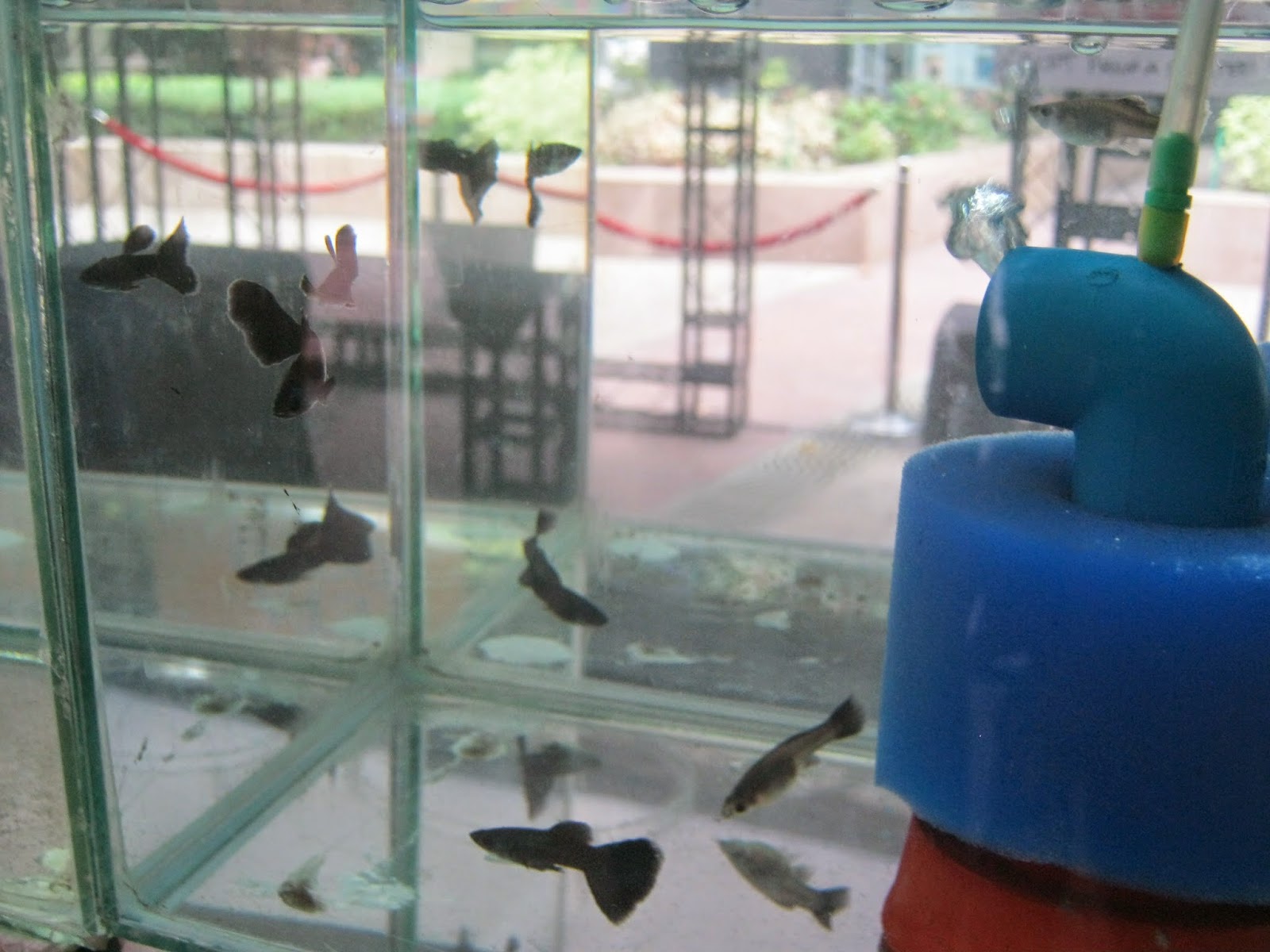
Pet City Expo was a small event, but got a lot of pet display for every pet aficionados, hobbyists and to those who just love having one. There were scheduled talk about aquarium set-ups,  guppy keeping , and a lecture about keeping hamsters.


No fish! Planted tanks is the new craze in aquarium keeping. It emphasize more on aquaplaning than keeping fishes in the aquarium tank. Check 'em out!


Betta (Fighting fish) and Guppy display. There are about 1,000 Fighting Fish  entered by Asian Betta Alliance members for competition.


Bird Talks. From Cockatoos, parrots to Fancy Chickens


Cuties! Small animal friends.


Related Posts Plugin for WordPress, Blogger... }, 10);
netoops blog